


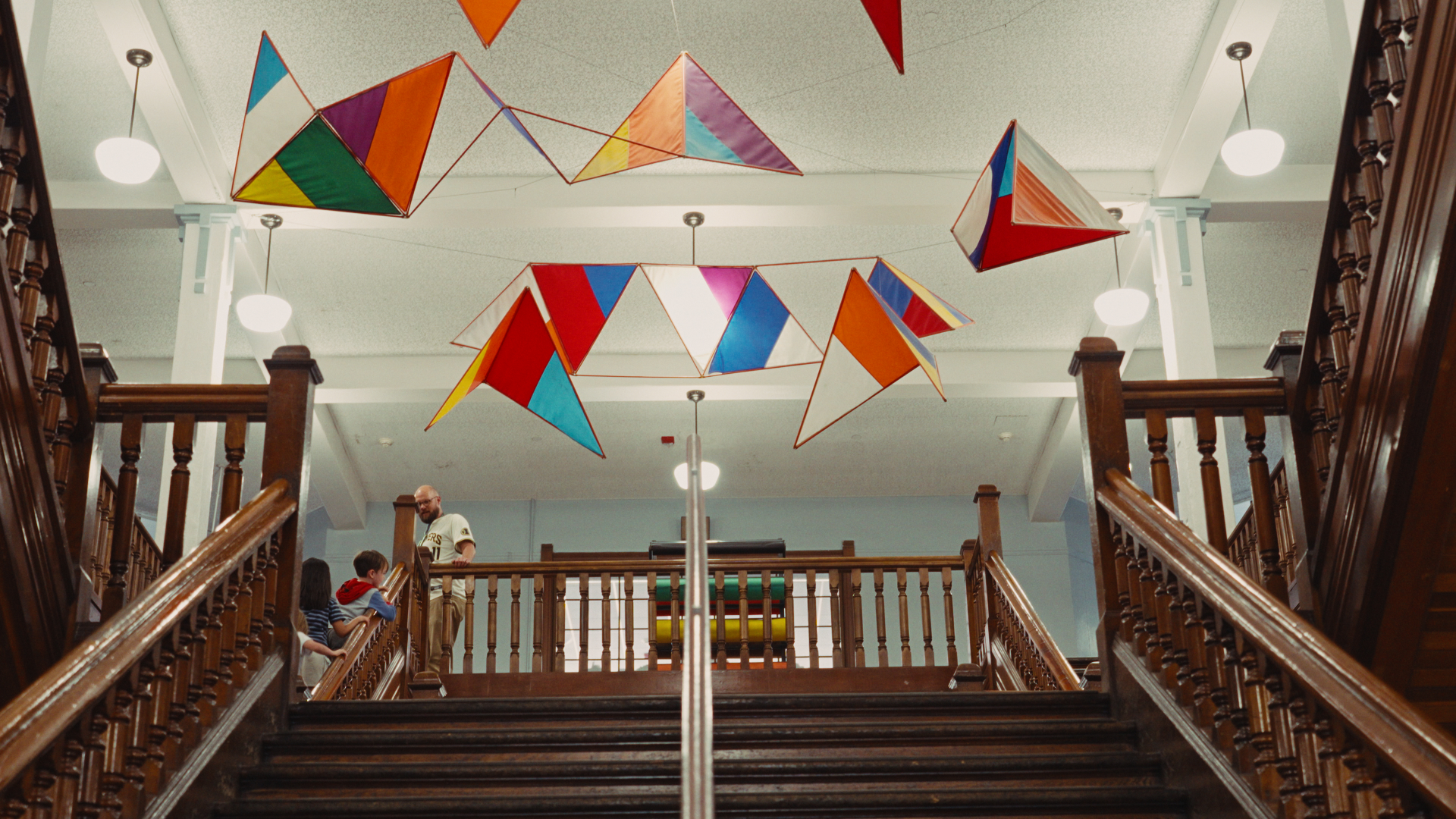
Art Belongs
Arts learning belongs in every young person’s education.
Art Belongs
Film Series
Dora Moore
Directed by Anthony Grimes, produced by Bonfils-Stanton.
Watch the filmWe went through decades of research on arts education so you do not have to. Here is what holds up.
more likely to earn a bachelor’s degree than their peers, for low-income students who had intensive arts in high school
of Colorado’s 187 school districts have no certified theatre teacher.
Today, on average, Colorado has one licensed arts teacher for every 254 students.The students who gain the most from arts education are the least likely to have access to it.
Colorado school districts have no certified theatre teacher. Another 59 are without a certified music teacher and 48 without visual arts.
exists on which arts courses Colorado schools offer, or how many children take them. The state cannot say who is missing out, which is also why Colorado is absent from the national count above.
fewer Black 18 to 24 year olds had any arts education as children in 2008 than in 1982. The fall for Latinx communities was 40%. For white young adults there was no significant change.
2.1 million
U.S. students have no arts education at all. An estimate for 2018-19, projected from the 17 states that measure it directly. Colorado is not one of them, so its children are not in this number.
years of Boston school data show that students taking arts classes come to school more often, and that the gain is largest for the children who miss the most.
students were picked by lottery for a single art museum visit. Afterward they thought more critically, were more tolerant of difference, and better understood how people lived in the past.
of low-income teenagers left high school without finishing, depending on whether they took few arts courses or many.
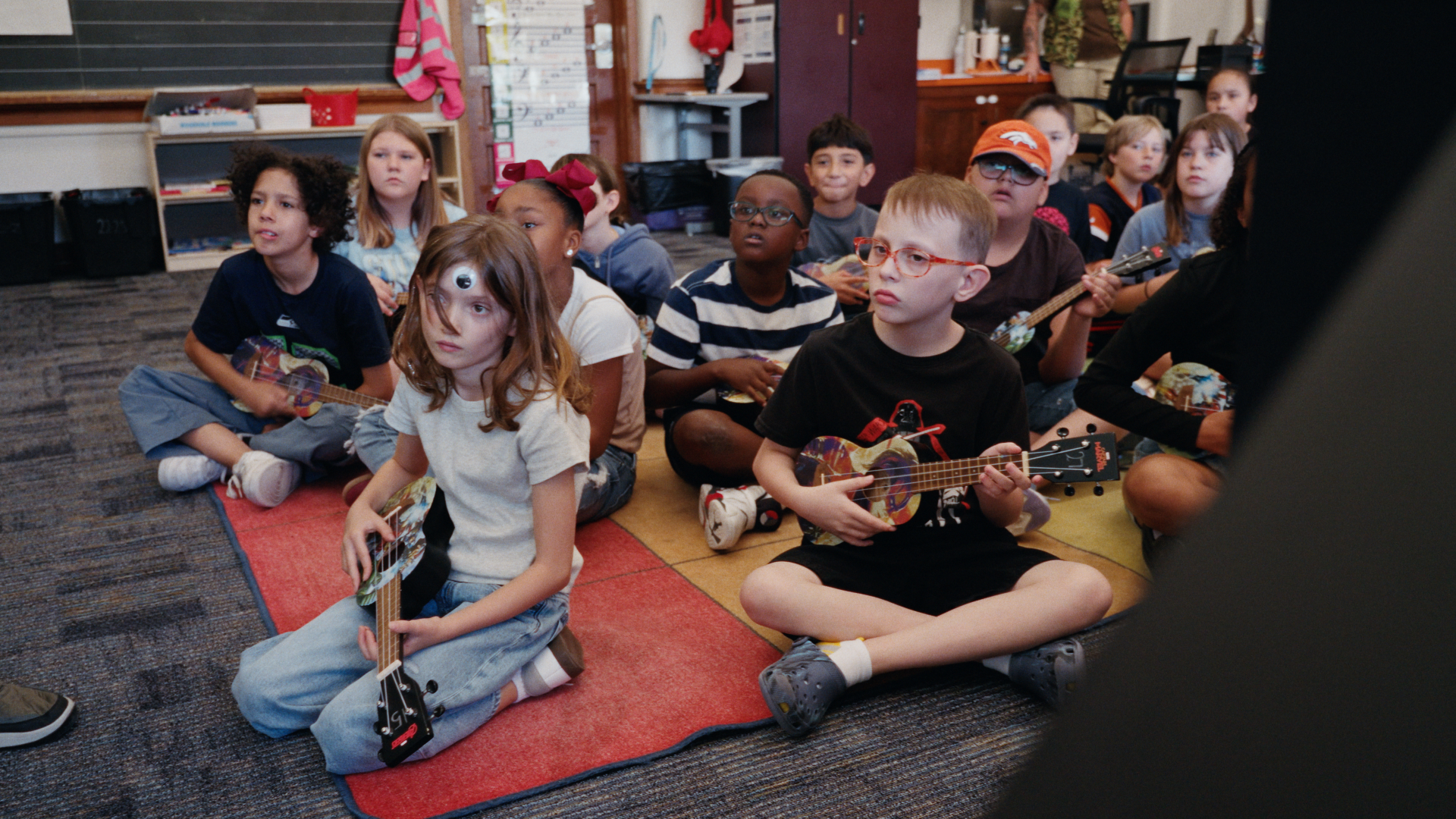
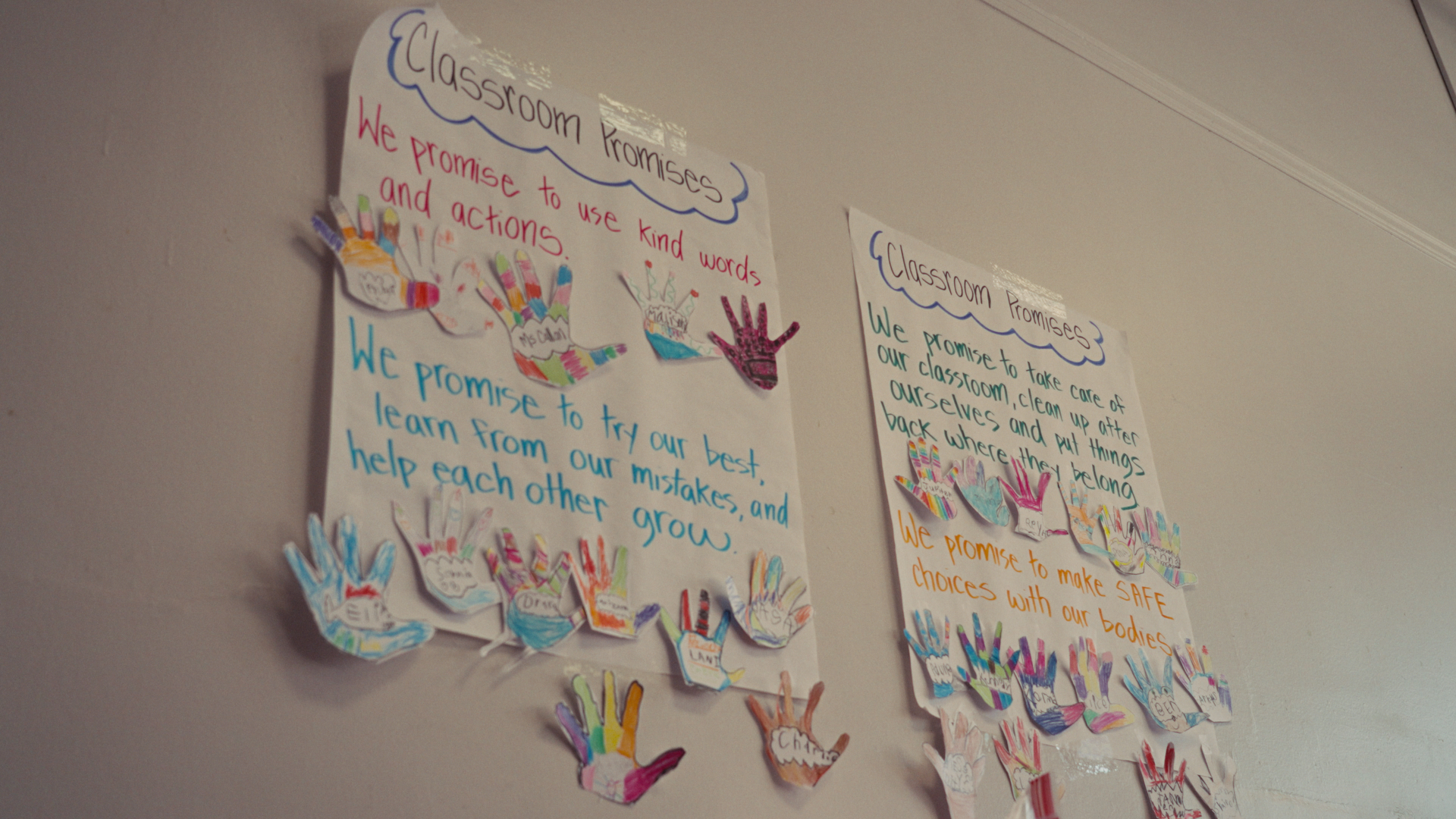
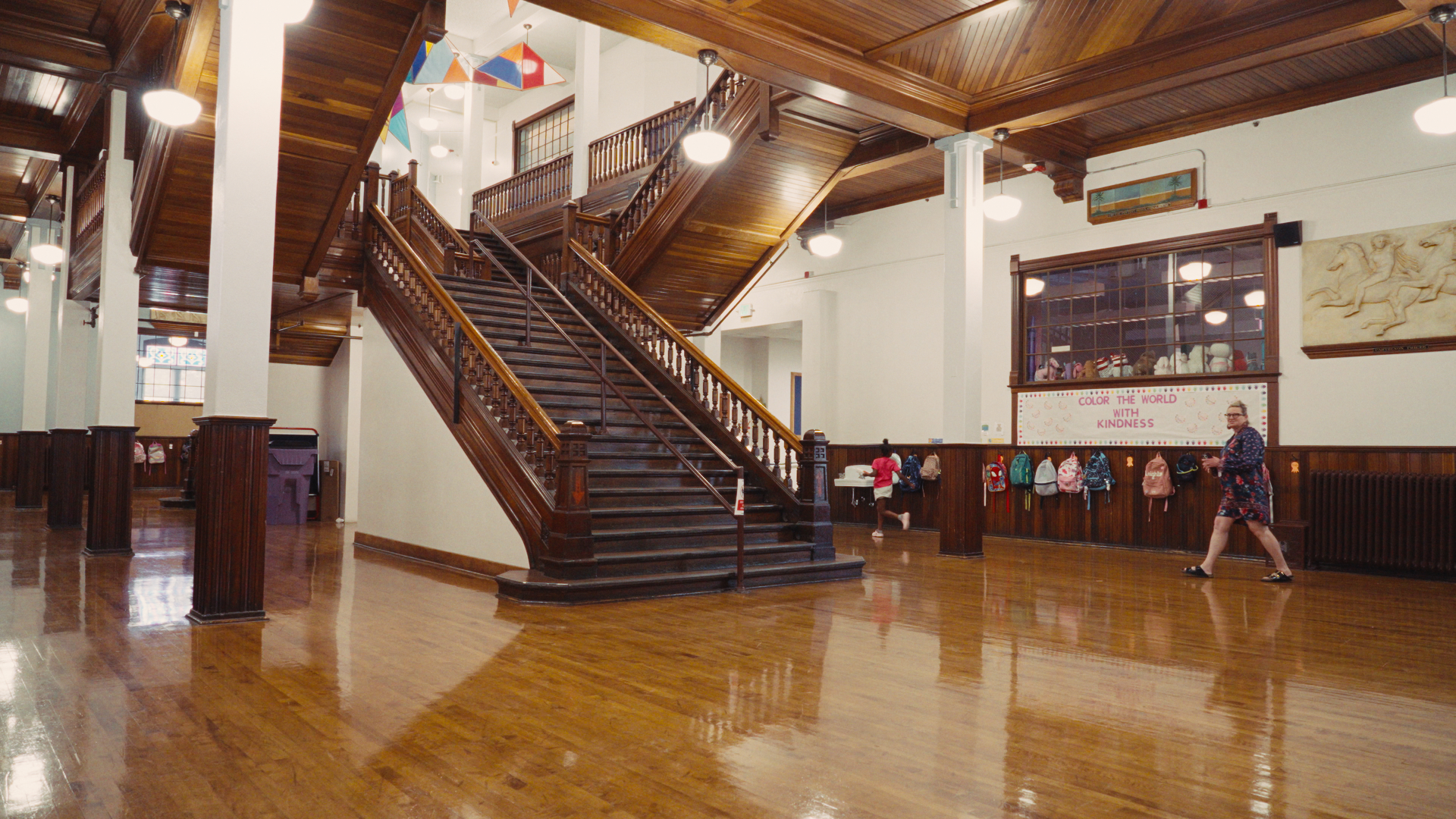
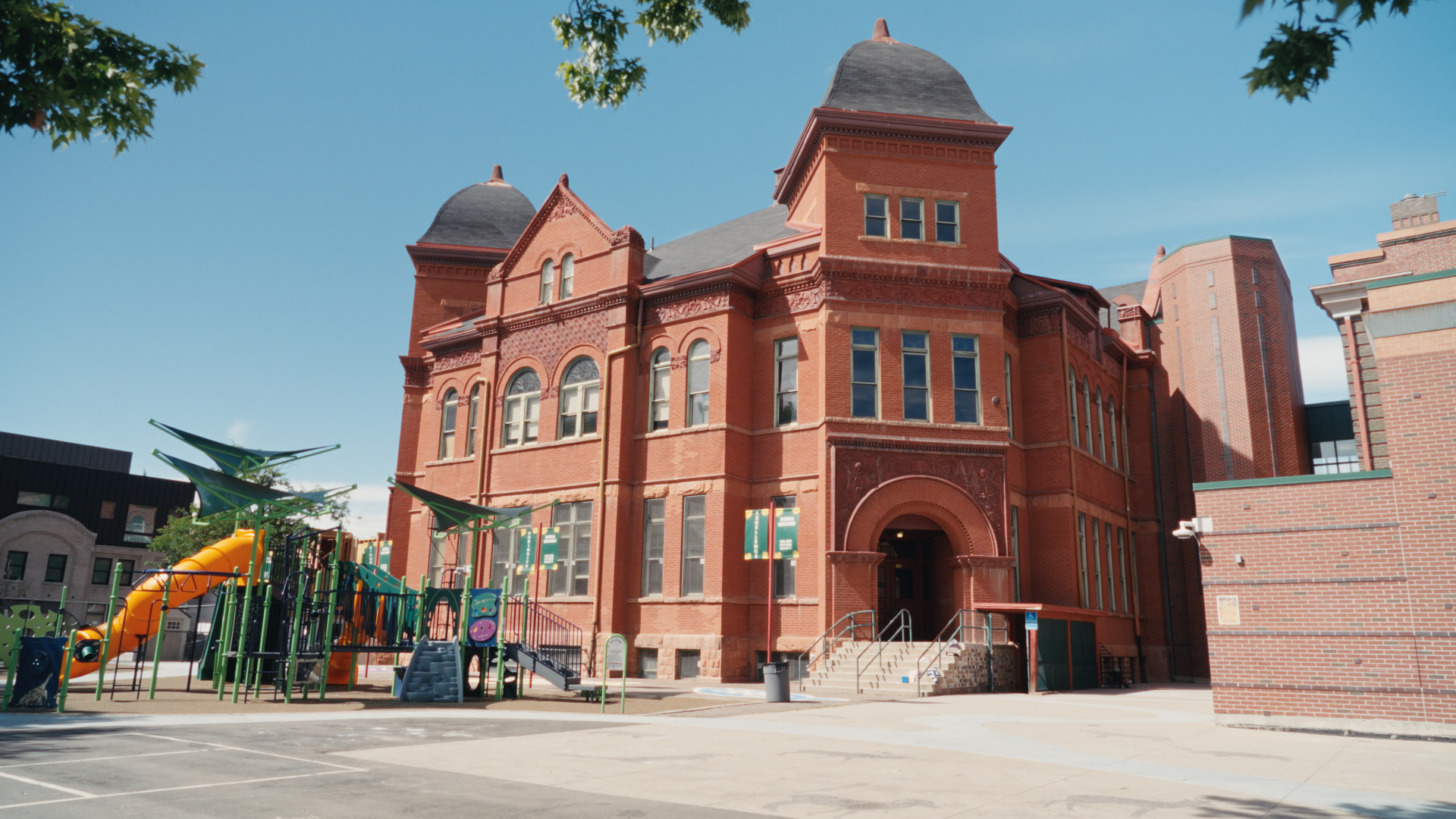
Creative thinking is what
employers say they are short of
of the core skills employers say they need most, in a 2025 survey of more than 1,000 employers
added to Colorado’s economy by arts and cultural production, 3.7% of the state total
Coloradans working in arts and cultural industries
Who is closing the gap?
Daring leaders across Colorado are already doing the work: teaching artists, educators and arts organizations bringing sustained arts learning to the young people who have had the least of it, in urban and rural communities.
Equity in Arts Learning funds them with grants of $10,000 to $25,000 in music, theatre, dance, visual arts, digital media, storytelling and literature.
$1.3M
invested over three years
24
schools and organizations
11
Colorado counties
3rd
year of the program
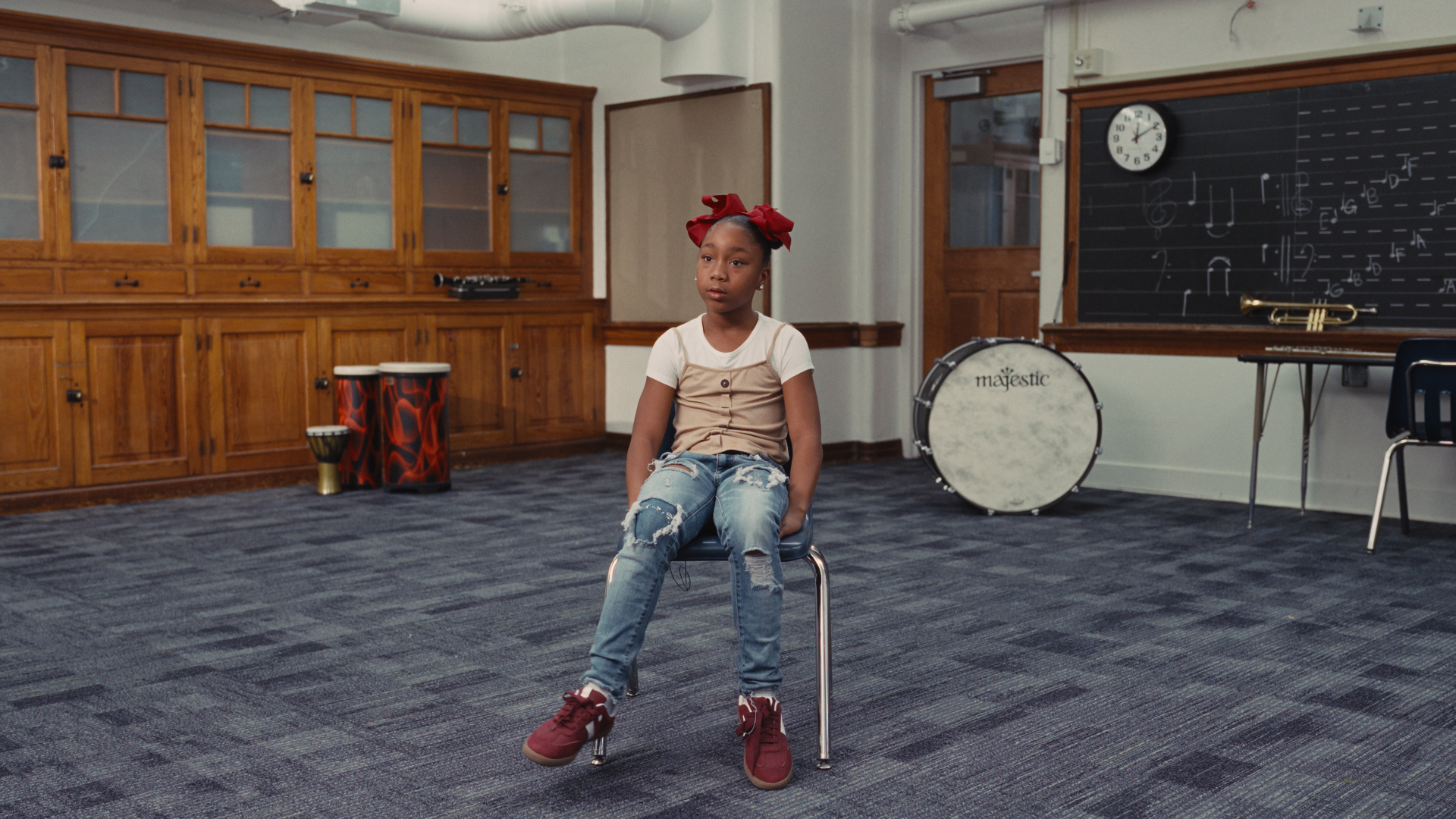
“Practice does not make perfect.
It makes permanent.”
Student, Dora Moore Elementary
Email our one page brief
About the campaign
A statewide campaign from Bonfils-Stanton Foundation, running from October 2026 through spring 2027 with our Equity in Arts Learning partners: Colorado Creative Industries, Denver Arts & Venues and Think 360 Arts for Learning. It invites educators, families, funders and legislators to help widen access across Colorado.
Key dates
Sources
Bonfils-Stanton Foundation and Colorado Creative Industries supported the Colorado arts education report, and Bonfils-Stanton Foundation produced the campaign films. The National Endowment for the Arts funded the Catterall report and helped fund the Houston trial. Sources are grouped by how each study was done, strongest first.
Lottery studies
Schools or people were picked by lottery, so the study can show the arts caused the change.
Kisida & Bowen (2023). Investigating the causal effects of arts education. Journal of Policy Analysis and Management, 42(3).
Greene, Kisida & Bowen (2014). The educational value of field trips. Education Next, 14(1). Greene et al. (2018). Educational Researcher, 47(4).
Long-term studies
The same people were tracked for years. The link is strong, but it is not proof.
Catterall, Dumais & Hampden-Thompson (2012). The Arts and Achievement in At-Risk Youth. National Endowment for the Arts.
Bowen & Kisida (2024). Investigating arts education effects on school engagement and climate. Educational Policy, 38(5).
Reviews
Studies that combine the results of many others.
Menzer (2015). The Arts in Early Childhood: Social and Emotional Benefits of Arts Participation. National Endowment for the Arts.
Counts and surveys
Numbers from state or federal records, or from asking people. They show the size of a gap or what people reported.
Colorado Business Committee for the Arts and Think 360 Arts for Learning (2025). The State of Arts Education in Colorado Public Schools, Grades Pre-K to 12.
Think 360 Arts for Learning (2025). Arts educator licensure data.
Colorado Senate Resolution 26-003 (2026). Designate March Arts Education Month.
Rabkin & Hedberg (2011). Arts Education in America: What the Declines Mean for Arts Participation. NEA Research Report 52.
U.S. Bureau of Economic Analysis and National Endowment for the Arts (2023 data). Arts and Cultural Production Satellite Account.
World Economic Forum (2025). Future of Jobs Report 2025.
Equity in Arts Learning program data.


